
Automate Digital Product Delivery on WordPress Without Bloat
At 2 AM in Seoul, my phone buzzed with an urgent message from a reader in London. He had just purchased a set of prompt templates from one of my WordPress blogs, but the delivery email never arrived. When I opened my server dashboard, I realized my site’s internal scheduled tasks had quietly stalled four hours earlier. Money had changed hands, but the automated file delivery was stuck in a queue.
If you sell digital products on WordPress—whether you distribute PDF guides, video presets, code snippets, or Notion templates—relying on default, unmonitored scripts is a liability. When I set up payment and delivery pipelines across my own content sites, my primary goal was to make the process completely hands-off while keeping my site lean, secure, and fast.
To reliably automate digital product delivery wp workflows, you need a system that triggers instantly upon payment, hides file locations from the public, and functions even if your WordPress database is under heavy load. Here is how to build a robust, automated digital product delivery pipeline on WordPress, including where standard plugins fail and how external automation tools can save you time.
Why Default WordPress Product Delivery Fails
Most creators start by installing a standard e-commerce plugin, uploading a file directly to the WordPress media library, and letting the site handle email delivery. While this works for your first few sales, it breaks down quickly as traffic grows.
The WordPress Cron Problem
WordPress does not run a real background service. Instead, it relies on a virtual cron system (wp-cron.php) that only fires when someone visits your site. If your blog has low traffic during off-peak hours, or if you use heavy server-side caching that bypasses PHP, scheduled task queues stall. That means purchase confirmation emails and file download triggers simply sit in the queue until a new visitor hits your pages.
Direct File Exposure and Hotlinking
When you upload digital goods directly to your site’s standard file directory, those direct URLs can easily be leaked, indexed by search engine crawlers, or shared on forum boards. Unless your system generates temporary, expiring download links, anyone who gets hold of the file link can download your product without ever visiting your checkout page.
Database and Server Overhead
Running a massive e-commerce setup on the same WordPress installation that serves your content adds unnecessary database queries. Heavy database bloat slows down page loads, which hurts both search engine rankings and conversion rates. Keeping your delivery logic lightweight or offloading it entirely helps protect your site’s core performance.
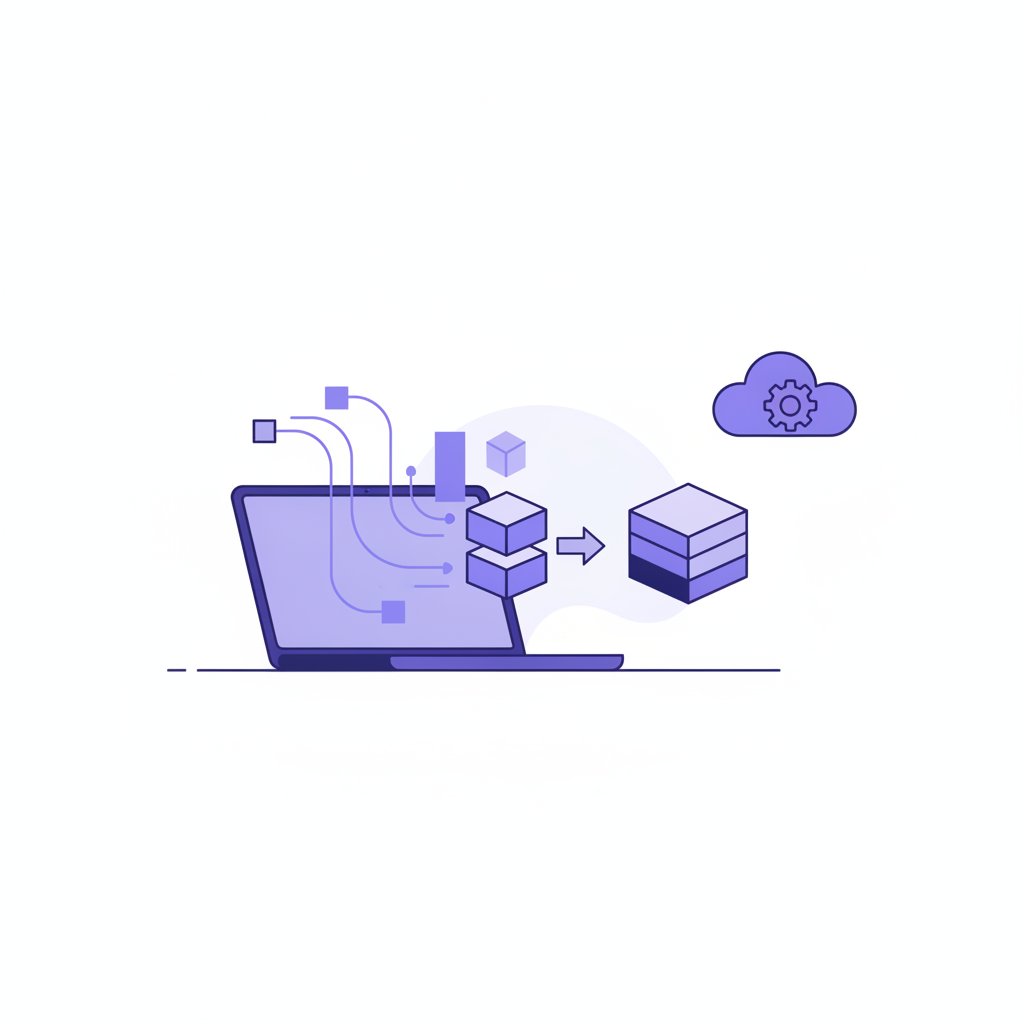
3 Methods to Automate Digital Product Delivery WP Workflows
There are three primary architectures for delivering digital assets on WordPress. Choosing the right one depends on your technical comfort level and transaction volume.
1. Native Dedicated Plugins
Plugins like Easy Digital Downloads (EDD) or WooCommerce handle everything inside WordPress: product listing, payment gateway connection, file protection, and automated email dispatch. EDD is specifically engineered for non-physical goods, making it far cleaner than bloated retail e-commerce engines.
- Pros: Everything stays inside your WordPress dashboard; easy setup; works directly with native payment gateways.
- Cons: Adds database load; relies heavily on your web host’s email delivery reliability unless paired with a third-party SMTP service.
2. Cloud Storage and Webhook Automations (Make or Zapier)
In this architecture, WordPress handles the front-end sale or form submission, but the actual fulfillment is processed off-site. A payment trigger sends a payload via webhook to an integration platform like Make or Zapier. The platform then generates a secure, timed link from cloud storage (like Google Drive or AWS) and emails it directly to the customer.
- Pros: Zero strain on your WordPress server; links are secure and temporary; highly reliable email dispatch.
- Cons: Requires multi-app orchestration; external service task limits can increase monthly software costs.
3. Self-Hosted Webhook Pipelines (n8n)
For technical creators running multiple sites, self-hosting an open-source workflow automation engine like n8n provides absolute control. The WordPress site collects the payment, sends a webhook to your n8n instance hosted on a separate VPS, and n8n handles authorization, secure link generation, and email delivery.
- Pros: Unlimited transactions without per-task fees; keeps WordPress lean; ultimate privacy and control over customer data.
- Cons: Requires basic server administration skills and manual setup of webhook connections.
Comparing Digital Delivery Solutions
| Platform / Method | Best Suited For | Main Drawback |
|---|---|---|
| Easy Digital Downloads | Simple WP sites selling digital files directly | Can slow down site if database isn’t optimized |
| Make / Zapier | No-code creators wanting fast cloud connections | Usage costs scale with high order volumes |
| n8n (Self-Hosted) | Tech-savvy solo founders managing multiple sites | Requires server setup and ongoing maintenance |
Step-by-Step: Setting Up an Automated Webhook Pipeline
Here is the exact framework I use to decouple heavy delivery tasks from WordPress using webhooks and automation tools.
Step 1: Secure Your File Assets
Never store downloadable digital files in your public /wp-content/uploads/ folder. If you choose to host files on WordPress, store them in a protected directory above the web root, or restrict access via .htaccess rules. Alternatively, upload your asset to secure cloud storage and keep the download URL private.
Step 2: Replace Virtual Cron with a Real System Cron
If you rely on WordPress plugins to send delivery emails, disable default virtual scheduling by adding this line to your wp-config.php file:
define('DISABLE_WP_CRON', true);
Then, log into your hosting panel (cPanel, RunCloud, or your custom server terminal) and set up a real system cron job to run every 5 to 10 minutes:
*/5 * * * * wget -q -O - https://yourdomain.com/wp-cron.php?doing_wp_cron >/dev/null 2>&1
This guarantees that scheduled emails and background delivery tasks run predictably on time, regardless of site traffic levels.
Step 3: Connect Payment Triggers to Webhooks
When a customer completes a purchase, your payment plugin should output a webhook event. In tools like Make or n8n, create a custom Webhook listener node and copy the endpoint URL into your WordPress checkout settings. The webhook payload should pass key variables:
- Customer Email
- Order ID
- Product Identifier
- Transaction Status
Step 4: Generate Dynamic Links and Send the Email
Once the webhook receives a verified payment payload, configure your automation pipeline to execute three simple actions:
- Verify that the transaction status reads ‘paid’ or ‘completed’.
- Fetch the secure file path or generate a time-limited download URL.
- Send an email via a dedicated transactional email service rather than standard web hosting email.

My Take: What Actually Works Best for Solo Creators
When I first started running content sites, I made the mistake of installing massive, multi-purpose e-commerce plugins just to sell a few lightweight digital guides. My site speed dropped, my database ballooned with unnecessary tables, and I spent hours fixing broken email notifications.
If you are running a single site and want the simplest path, use a specialized plugin like Easy Digital Downloads paired with a dedicated SMTP service. It keeps everything under one roof without unnecessary retail bloat.
However, if you are like me—building an ecosystem of automated content blogs and niche channels—offloading your logic to an external runner like Make or self-hosted n8n is worth every minute of setup time. It decouples your business logic from your content management system. If your WordPress site ever crashes, gets spammed, or experiences server slowness, your core delivery engine remains safely isolated, ensuring every paying customer gets their assets instantly.
Regarding pricing: tools like Make and Zapier offer functional free tiers with limited monthly tasks, while paid plans generally start around the $10 to $20/month range as your task volume increases. Self-hosting n8n requires a virtual private server, which typically costs around $5 to $10/month depending on your provider. Be sure to check the official pricing pages for each platform, as plans and task limits change regularly.
Frequently Asked Questions
How do I stop buyers from sharing direct download links?
Avoid sending direct, static file links in purchase confirmation emails. Use a delivery plugin or automation flow that generates dynamic download tokens. These tokens automatically expire after a set period (e.g., 24 hours) or limit the download to a specific number of attempts per IP address.
Is WooCommerce or Easy Digital Downloads better for digital products?
Easy Digital Downloads is generally better suited for purely digital products because it is specifically designed for software, PDFs, and media files without the extra database tables required for physical shipping, inventory tracking, and variation handling. WooCommerce works fine, but requires more performance tuning to remove built-in overhead.
What happens if an automated delivery webhook fails mid-transaction?
To prevent missed deliveries, always choose an automation tool that supports automatic retries or maintains an error execution log (such as Make or n8n). Additionally, ensure your system logs purchase transactions inside your WordPress database so you can manually trigger a redelivery with a single click from the order history menu if a network hiccup occurs.